
Article Written By : Keddy Githinji : Curriculum Developer/ Instructor PDIF.
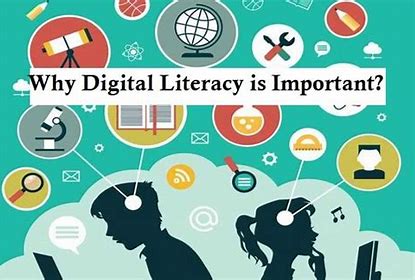
In the 21st century, digital literacy has become a crucial skill for young people worldwide. With rapid technological advancements, digital tools and platforms shape education, employment, social interactions, and civic engagement. Digital literacy empowers youth by equipping them with the necessary skills to navigate, analyze, and responsibly create digital content.
It fosters opportunities, enhances critical thinking, and prepares young people for the future, particularly in rural communities, where access to technology can drive transformative change. Here are some of the ways in which digital literacy empowers youth.
Digital literacy gives equal chances for learning and development, therefore bridging the divide between rich and poor young people. Although more internet access and technological exposure help developed areas, many young people in poor nations lack the means to fully utilize the digital world. Digital literacy campaigns, however, assist level the playing field by means of online courses, government programs, and NGO interventions, so empowering young people to study, invent, and compete internationally.
Expanding access to internet resources, interactive learning environments, and virtual classrooms is changing education by means of digital literacy. Strong digital abilities let students use e-learning resources, effectively conduct research, and interact with international educational communities. Valuable learning opportunities abound on sites like Google Classroom, Coursera, and Cisco Academy that conventional educational systems might not offer. Furthermore, digital literacy facilitates adaptive learning so that students may study according to their own learning style and at their own speed.
Digital abilities are absolutely necessary in the employment scene of today. Many professions these days call on mastery of digital communication, data analysis, coding, and online teamwork. Strong digital literacy skills help young people to be competitive and to access chances for remote work. Digital entrepreneurship is also booming as young people start companies and create money using social media, e-commerce, and online marketing.
Beyond academics and job possibilities, media literacy and critical thinking depend much on digital literacy. Young people have to learn how to properly assess internet material as false news, misinformation, and cyberattacks become more common. By helping students to separate reliable sources from false information, digital literacy promotes informed decision-making. A fundamental part of digital literacy, media literacy gives young people the tools to examine digital material, identify prejudice, and participate responsibly in online conversations.
Equally vital is knowledge of cybersecurity and moral online behavior. Through teaching young people digital rights, privacy policies, and cyberbullying prevention, digital literacy helps them negotiate the internet safely. Digital citizenship advocates awareness of digital footprints, polite communication, and appropriate social media use. Encouragement of safe online behavior helps digital literacy enable young people to utilize technology responsibly while avoiding online hazards.
Moreover, digital literacy helps young people to inspire invention and societal transformation. Young people have the means to solve urgent social concerns thanks to open-source collaboration, crowdsourcing, and social media activity. They can produce material, design apps, and leverage technology to support causes they find important. Many young-led projects highlight sustainability, education, and social justice, therefore highlighting the possibility of digital information to have a significant influence.
Finally, digital literacy is a transforming tool that enables young people, especially in rural areas where access to technology might open fresh prospects. Through encouraging education, employment, entrepreneurship, and critical thinking, initiatives like Project Digital are helping rural young people to flourish in the digital economy. Beyond digital abilities, Project Digital stresses mental health, environmental sustainability, and whole community development. Governments, teachers, and businesses have to keep funding digital literacy initiatives to make sure every young person has the tools to thrive and equip the following generation with the knowledge and skills to create sustainable careers and propel constructive society change.